Gold and silver prices are like a wild rollercoaster ride, constantly shifting in response to global events, investor sentiment, and a whole host of economic factors. If you’ve ever glanced at the price charts for these metals, you know they can swing dramatically in a matter of hours. It’s like trying to predict the weather, but with a twist of unpredictability.
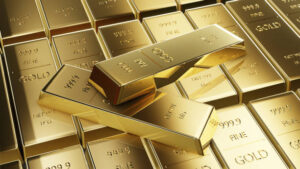
In the past, gold and silver were the go-to investments during times of uncertainty. The idea was simple—when the economy stumbles or inflation rises, these metals become safe havens. But what happens when the world doesn’t seem to be following the usual playbook? Prices can go haywire.
For instance, during economic booms, people tend to shy away from traditional commodities. They pour money into stocks, pushing gold and silver prices down. On the flip side, when markets tank or when geopolitical tensions rise, investors scramble for a slice of gold. It’s a protective move—an attempt to shield savings from the ravages of inflation or a market crash.
Let’s not forget the relationship between gold and silver. The price of silver often moves in tandem with gold, but with more volatility. Think of it as gold’s unpredictable cousin who’s always a little too eager to join the party. Silver prices tend to surge or dip more sharply than gold’s, making it a risky, yet potentially rewarding, investment.
A major player in all this is the US dollar. These metals are often priced in dollars, so when the dollar weakens, gold and silver usually rise. It’s a simple cause-and-effect relationship. A strong dollar? Well, then gold and silver might take a little breather. But there’s no guarantee, and that’s the kicker. The global markets are fickle, and sometimes, even when all signs point to gold being the right move, the market does something completely unexpected.
Another factor that’s tough to ignore is the influence of central banks. When governments print more money, or when interest rates shift, it can drive up or down the demand for precious metals. It’s like watching a chess game, where every move made by central banks can shift the balance between risk and reward for investors.
And let’s not forget supply and demand. Mining gold and silver isn’t exactly a walk in the park. It’s an expensive and often dangerous job. Plus, not all gold is created equal. There are various grades and types, and the quality of the gold you’re looking at can make a huge difference in its price. Similarly, silver prices can be impacted by industrial demand. If there’s a spike in demand for solar panels or electric vehicles, silver could see a price increase, as it’s a critical component in these technologies.
For those thinking about jumping into the precious metals market, timing is key. You might hear the old saying, “buy low, sell high,” but good luck with that. Predicting these markets is like trying to time the perfect wave at the beach. It’s a mix of strategy, luck, and sometimes, just taking the plunge. And while it’s tempting to try to hit it big, it’s always a good idea to understand the forces at play before making a move. Even seasoned investors sometimes find themselves scratching their heads at the rollercoaster ride that is gold and silver.
So, when you look at the prices of gold and silver, don’t just think of them as numbers on a chart. Think of them as a reflection of human behavior, global shifts, and the ever-changing tides of world economics. They’re like the canaries in the coal mine, sometimes telling us more about what’s to come than we might realize. But even with all the twists and turns, it’s safe to say one thing: gold and silver will always be part of the conversation.